
A slow or clogged drain is one of those small household problems that can quickly turn into a big headache. Standing water in your sink, a tub that won’t drain, or a kitchen line that gurgles every time you run the dishwasher — these aren’t just inconveniences. They’re signs that something is restricting flow inside your pipes, and the longer you ignore it, the worse it usually gets.
The good news? You can often unclog a drain yourself with tools you already own. The better news? When DIY methods don’t work, a professional plumber can clear even the most stubborn blockage in under an hour.
Here’s a practical, step-by-step guide to clearing common drain clogs at home — plus clear signs it’s time to put down the plunger and call a pro.
What Causes Most Drain Clogs?
Before you start unclogging, it helps to know what you’re dealing with. The most common culprits are:
- Hair and soap scum — the #1 cause of bathroom sink, tub, and shower clogs
- Grease, fat, and food scraps — the leading cause of kitchen sink clogs
- Toilet paper buildup or non-flushable items — typical for toilet clogs
- Mineral deposits from hard water — common in older Southern California homes
- Tree roots in the main sewer line — the cause of recurring whole-house clogs
Method 1: Boiling Water (Best for Grease Clogs)
If your kitchen sink is draining slowly, start with the simplest fix. Bring a kettle of water to a rolling boil and pour it slowly down the drain in two or three stages, pausing between pours. Boiling water can melt and flush away grease, soap, and food residue.
Note: Don’t use boiling water on PVC pipes or porcelain fixtures — use very hot tap water instead.
Method 2: Baking Soda and Vinegar
This classic combination works on light organic clogs. Pour one cup of baking soda down the drain, followed by one cup of white vinegar. Cover the drain with a stopper or rag and let it fizz for 15 minutes. Flush with hot water. Repeat once if needed.
Method 3: The Plunger
A flat-bottomed cup plunger works for sinks, tubs, and showers. Make sure there’s enough water in the basin to cover the plunger head, seal the plunger over the drain, and pump firmly 10–15 times. For toilets, use a flange plunger designed specifically for toilet bowls.
Method 4: Manually Clear Hair from the P-Trap
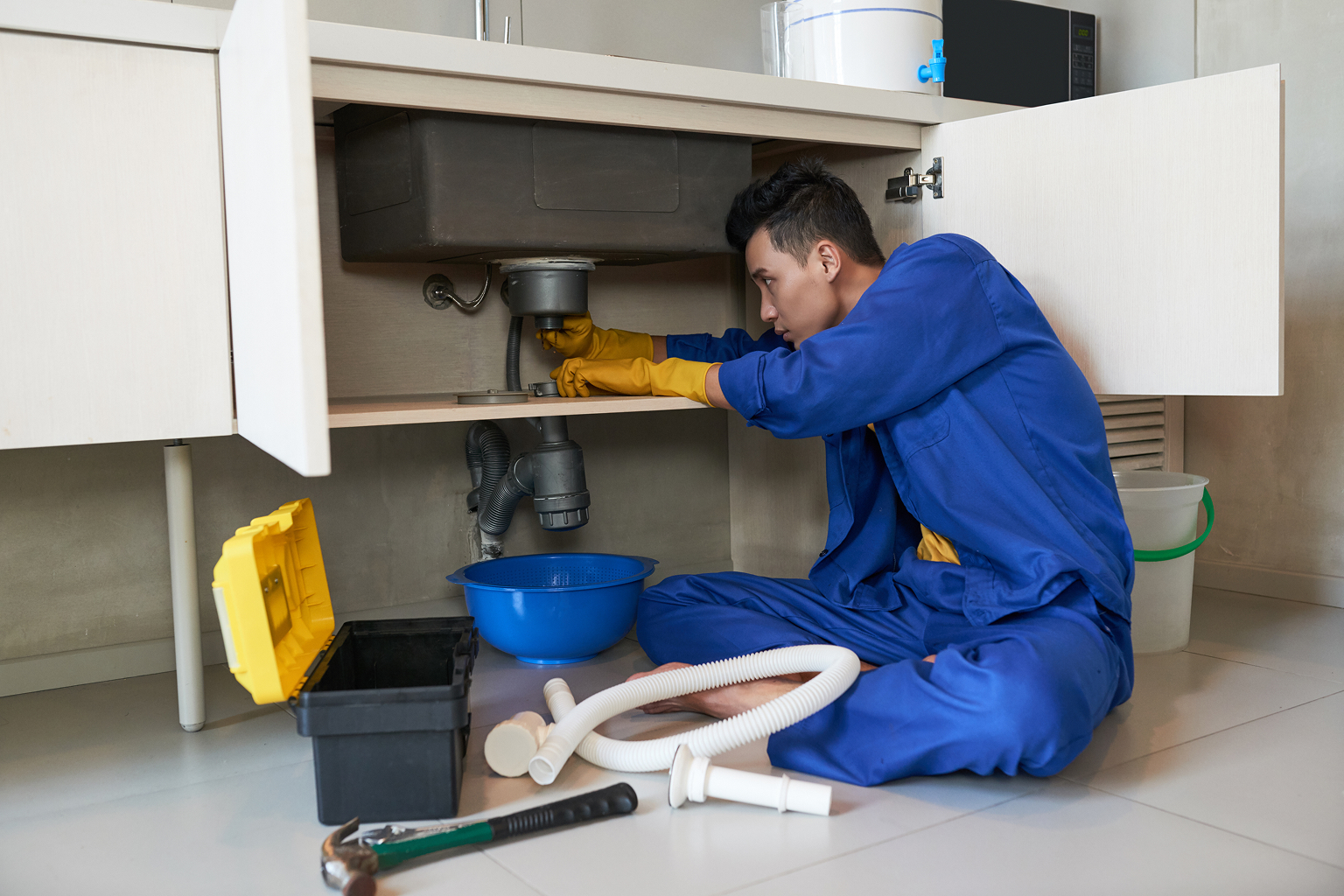
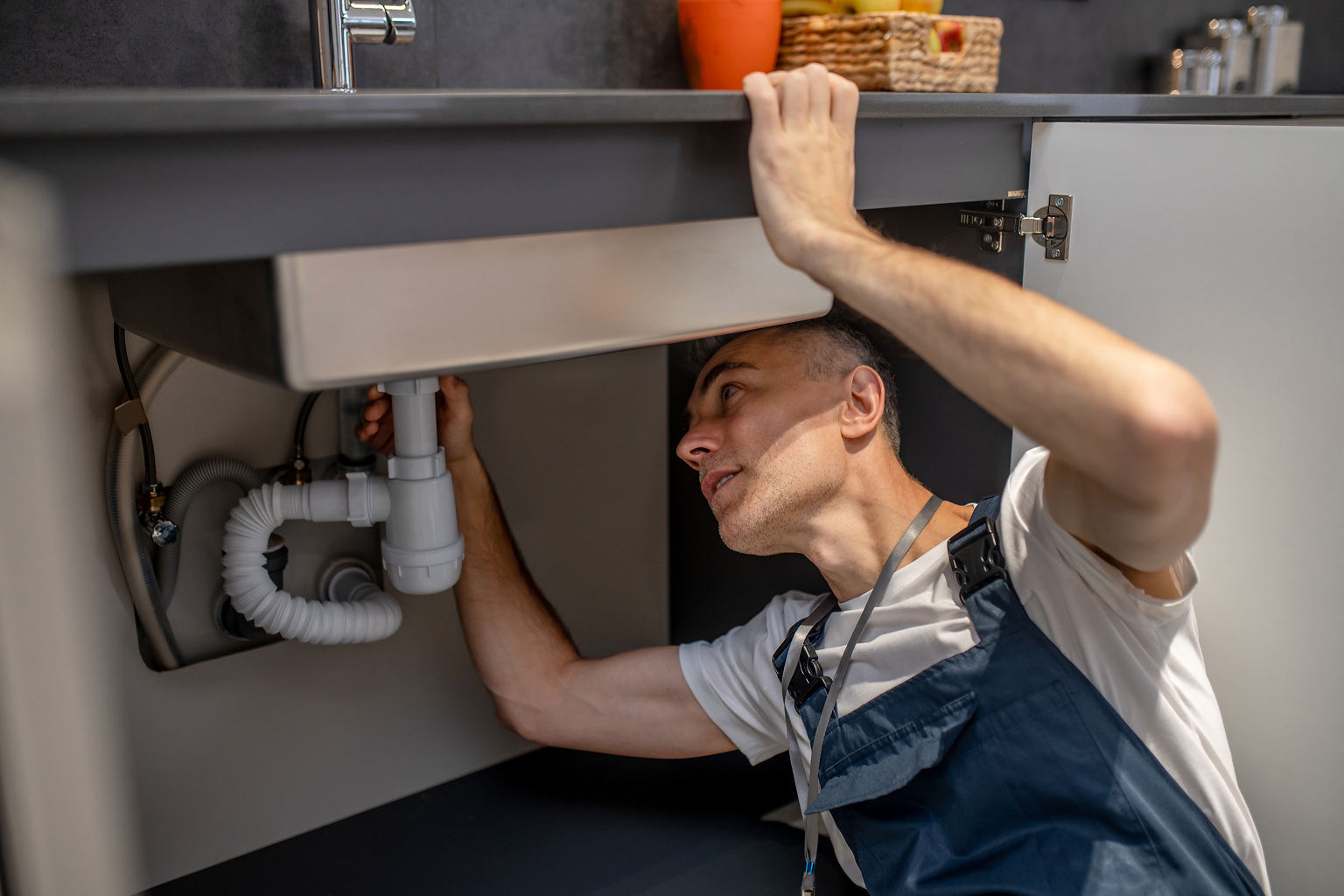
For bathroom sinks, the clog is usually within the first foot or two of pipe. Place a bucket under the P-trap (the curved pipe under the sink), unscrew the slip nuts by hand or with channel-lock pliers, and clear the gunk inside. Reassemble and run water to test.
Method 5: Use a Drain Snake (Hand Auger)
A simple hand-crank drain snake can reach clogs the plunger can’t. Feed it slowly into the drain until you feel resistance, crank to break through or hook the clog, then pull it out. Hardware-store snakes work well for sinks, tubs, and showers.
Method 6: Wet/Dry Vacuum
Set a shop vac to liquid mode, create a tight seal over the drain (a wet rag wrapped around the hose works well), and turn it on full power. The suction can pull out clogs that plungers push back.
Method 7: Enzyme-Based Drain Cleaners
Skip the harsh chemical drain cleaners — they can damage pipes, especially older ones. Enzyme-based products work more slowly but break down organic matter without corroding your plumbing. Use them overnight for best results.
When to Call a Professional Plumber
DIY methods handle most surface-level clogs, but some situations call for professional equipment. Call a licensed plumber if:
- Multiple drains in your home are clogged at once
- Water backs up into other fixtures (a flushed toilet causing the tub to fill, for example)
- You smell sewage indoors or in your yard
- The same drain clogs repeatedly, no matter what you try
- You hear gurgling from drains or toilets
- DIY methods haven’t worked after two or three attempts
These signs often point to a deeper problem — a blocked main sewer line, tree root intrusion, or a damaged pipe — that requires a sewer camera inspection and professional drain cleaning equipment to resolve safely.
Need a Drain Unclogged in Southern California?
If a stubborn clog has you stuck, our licensed plumbers serve homeowners across SoCal with same-day drain cleaning, upfront pricing, and a satisfaction guarantee. Call 1-800-905-7115 — we’ll have your drain flowing again before you know it.